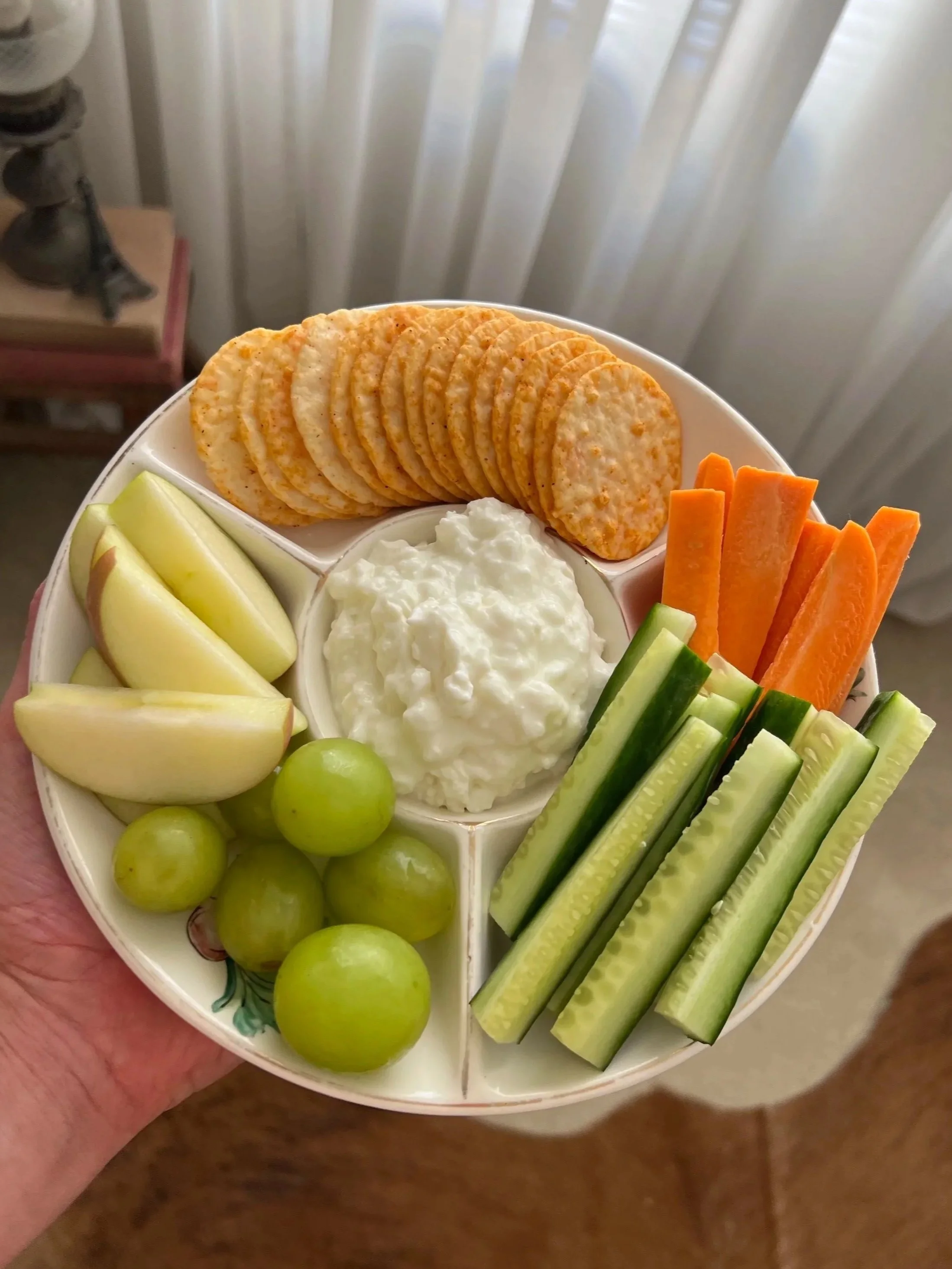
Meal Planning
Planning and prepping your meals for the week ahead can make a big difference to your consistency and staying on track with your diet. When meals are organised in advance, it reduces the need for last minute decisions and keeping on track with nutrition goals, especially during busy periods in life.
Start by planning a few balanced meals and snacks that you can rotate through the week, then prepare key components in advance where possible, such as protein, carbohydrates, and simple snack options. This helps ensure you always have something ready to go and can throw together meals and snacks easily.
Meal prep doesn’t need to be complicated, the goal is to make healthy eating more convenient, not restrictive. Even small amounts of preparation can improve consistency and reduce reliance on convenience or takeaway foods during the week.
Balanced plate approach:
Aim to include:
Vegetables and/or fruit
Wholegrains or carbohydrate source
Lean protein
Healthy fats
Dairy or alternatives
Time-saving tips:
Pre-chopped vegetables or salad bags
Frozen vegetables and fruit
Microwave rice or grains
Tinned legumes and fish
Pre-cooked proteins
Pantry, Fridge & Freezer Staples
Having convenient options available helps support consistent, balanced meals.
Protein:
Tinned tuna or salmon
Shredded chicken
Cottage cheese or high-protein yoghurt
Edamame beans
Lean deli meats
High-protein cheese
Carbohydrates:
Wholegrain wraps and bread
Microwave rice or quinoa cups
Potato, sweet potato, pumpkin
Tinned corn
Fruit & vegetables:
Frozen fruit and vegetables
Pre-cut vegetables and salad mixes
Tinned fruit in natural juice
Convenient meals:
Pre-prepared balanced meals (e.g. My Muscle Chef, Super Nature)
Aim for 25–30g protein per meal
Eating Out
Eating out can be included as part of a balanced diet without negatively impacting health or progress. If you look at it this way, one higher-energy meal will not significantly impact overall intake when the other meals, ie: 20 balanced meals are meeting your needs.
Simple strategies:
Choose grilled, baked, or roasted options
Opt for smaller portions where appropriate
Add salad or vegetables
Request sauces on the side
Consider taking leftovers home if portions are large
Summary
A consistent, balanced approach to nutrition focused on whole foods, adequate protein, appropriate carbohydrates, and healthy fats supports energy levels, health and overall performance.
Small, sustainable habits are more effective than restrictive approaches.